Category: Natural science & maths
-

An Astronomer Calls: George Airy’s Astronomer Royal’s Journal 1836-1847
Stargazing, discovering new planets, and large telescopes tend to dominate the public imagination about nineteenth-century astronomy. Yet, the everyday tasks of astronomers were less dominated by such an image. In fact, astronomers could find themselves in positions very different from these. A great example of this was the British astronomer George Biddell Airy (1801-1892). After…
-

Het Tuinfeest op Wiltzangk
Wat is het verhaal van deze foto, van dit ‘Tuinfeest op Wiltzangk’? Ruim vijf jaar geleden dook ze voor het eerst op, toen ik tijdens mijn studie de interbellum scheikunde onderzocht. Sindsdien bewoog ik me in mijn promotie naar het naoorlogse wetenschapsbeleid en verdween de foto naar de marges van mijn aandacht. Toch drong het…
-
Een achttiende-eeuwse tekenmethode in de praktijk
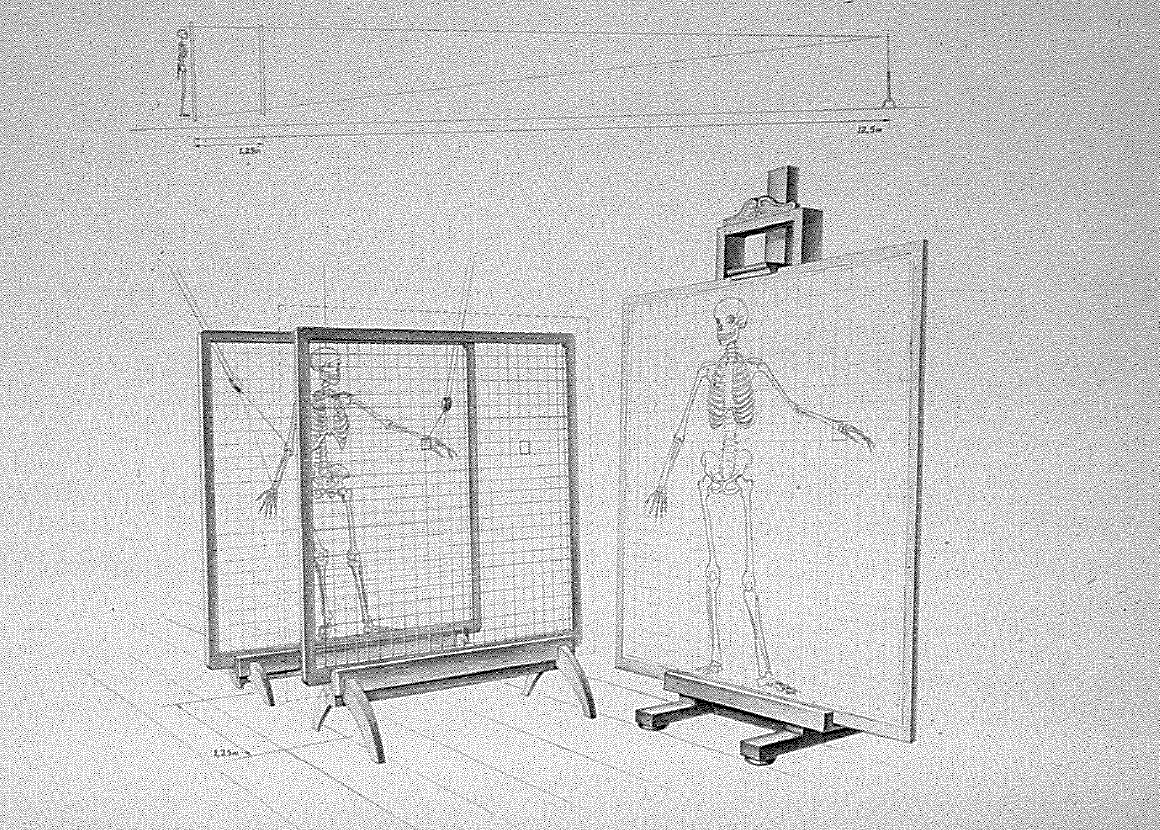
“Wetenschap is mensenwerk.” Dit is niet alleen een van de thema’s die in de nieuwe herinrichting van Rijksmuseum Boerhaave aan de orde komen, maar ook een invalshoek die veel van het andere werk rond de collecties van het museum bepaalt. Eerder dan een abstract proces van kennis vergaren is wetenschap immers een praktische en soms…
-
Shortcuts to scholarly distinction: academic fraud in Dutch prize contests, ca. 1750-1900
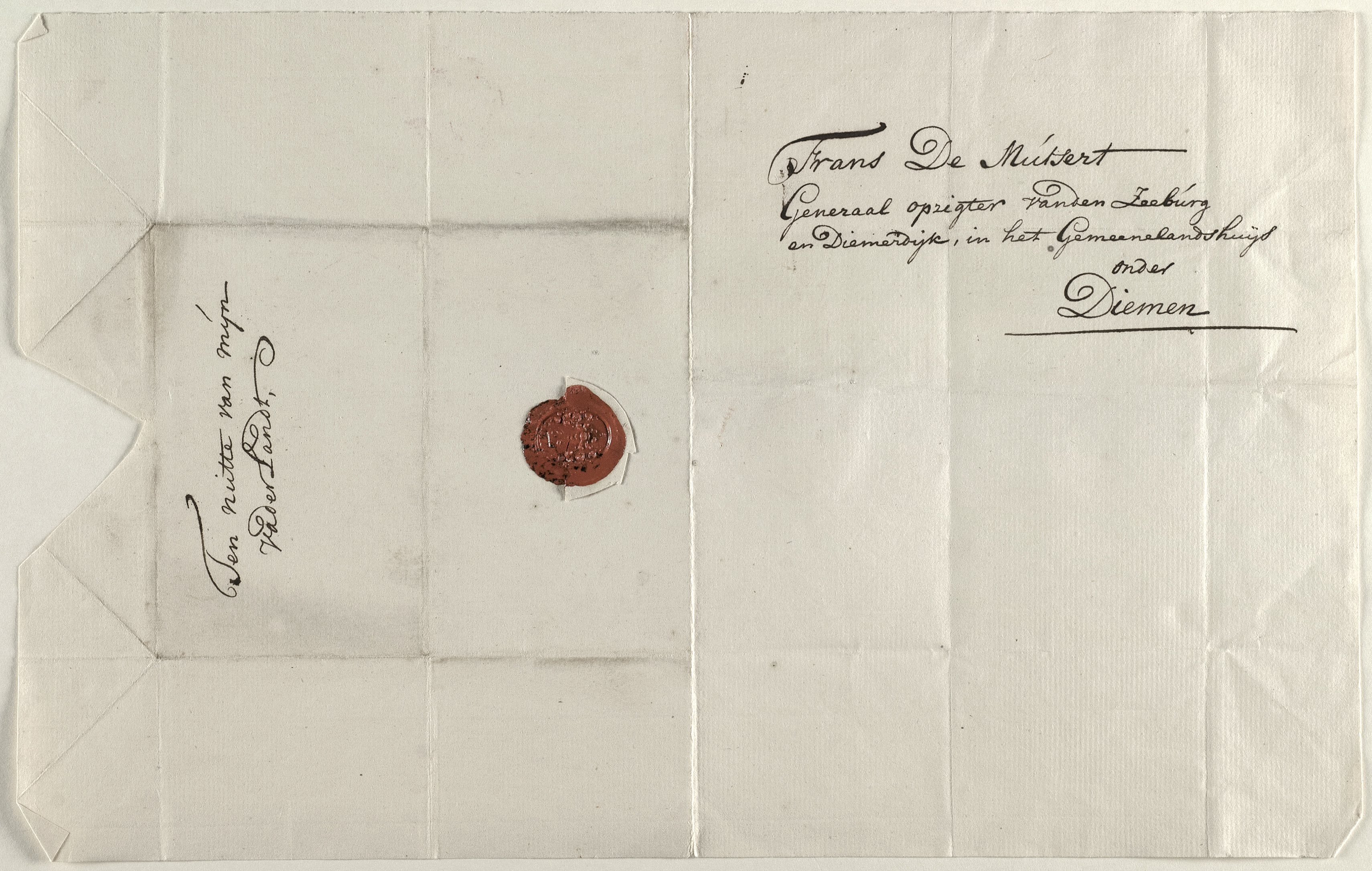
Prize contests are not a medium many people would associate with science nowadays. Academic papers and books produced in the context of universities are the norm these days. Yet, this has not always been the case: historically, universities were primarily training grounds for generations of lawyers, theologians and doctors. A lot of interesting research went…
-
Imagining the Unseen
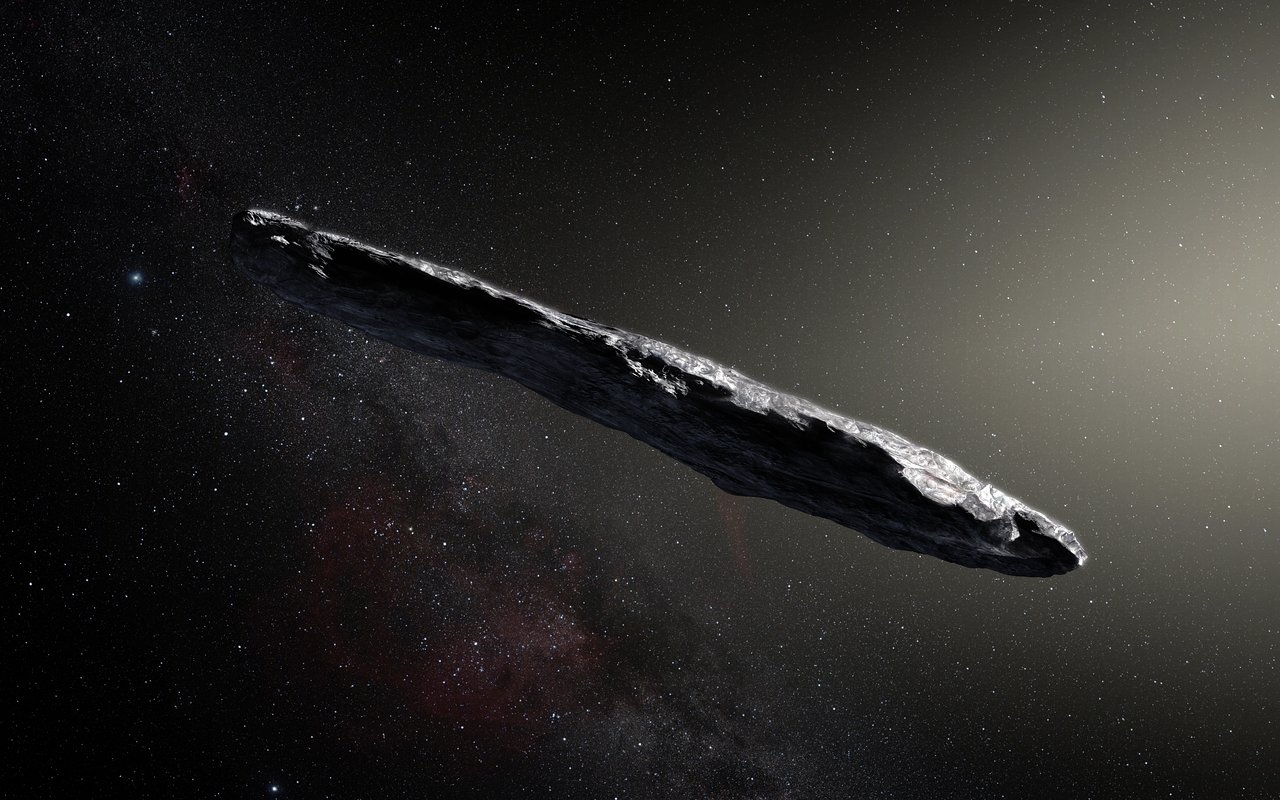
From high-tech gadgets to views of distant planets and meteors, scientific discoveries often spark our imagination. We might almost forget that imagination has an important role in the scientific enterprise itself too. This is particularly true for those subjects that little else can give us access to. We can employ telescopes, probes and microscopes to…
-
Onvoorstelbare oudheid. Een revolutie in historisch denken rond 1800
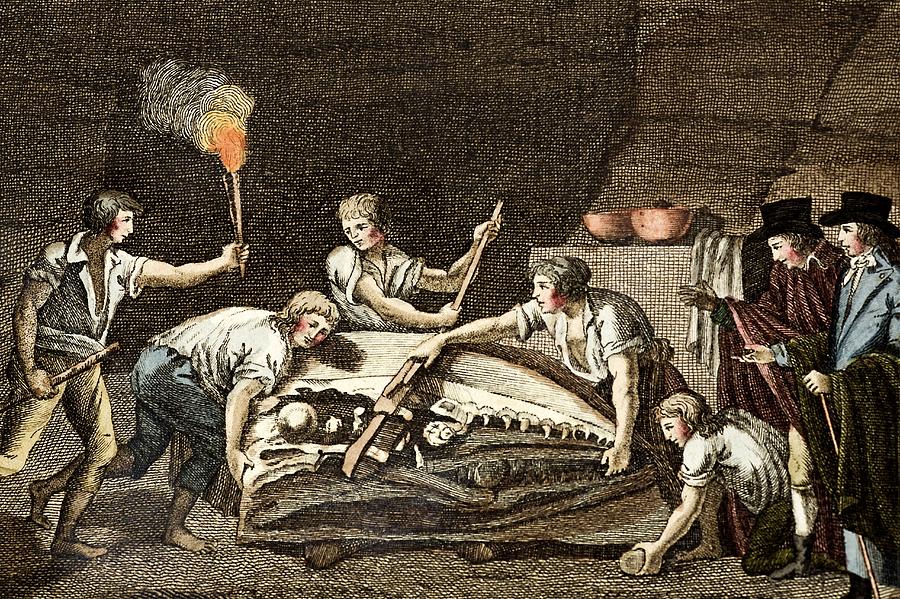
Op maandag 22 juli 1782 stapte Martinus van Marum binnen bij François Xavier de Burtin in Brussel. De jonge Van Marum reisde als lid van Teylers Tweede Genootschap door Europa, op zoek naar natuurhistorische collecties voor het snelgroeiende museum van zijn genootschap in Haarlem. De Burtin was een vooraanstaand arts in de hoofdstad van de…
-
The War against Disorder: The Jesuit Victory over Indivisibles
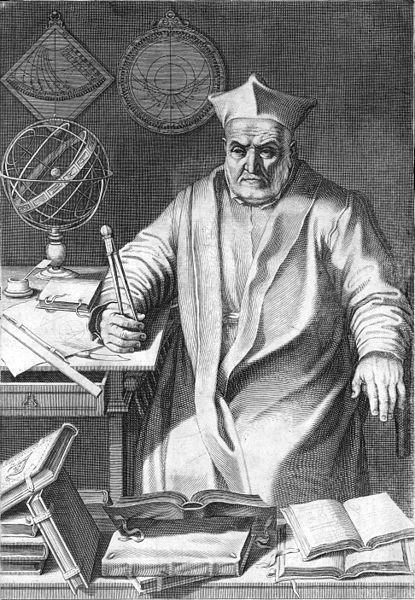
On August 10, 1632, the Revisors General of the Society of Jesus, better known as the Jesuit Order, forcefully condemned the doctrine that the continuum is composed of infinitely small atoms and forbade it from being pursued, taught, or even entertained. In a blog that reads like a thriller, historian of mathematics Amir Alexander (UCLA)…
-

Museums on the United States’ Atomic Frontier
5211 miles. In the distance that runs roughly from London to Karachi, Pakistan, I spent the summer of 2016 driving across the western half of the United States to visit six atomic sites. Each site was integral in the production of the US nuclear arsenal during World War II and the Cold War. While I…
-
How to Read Early Modern Instructions for Gold- and Silversmiths
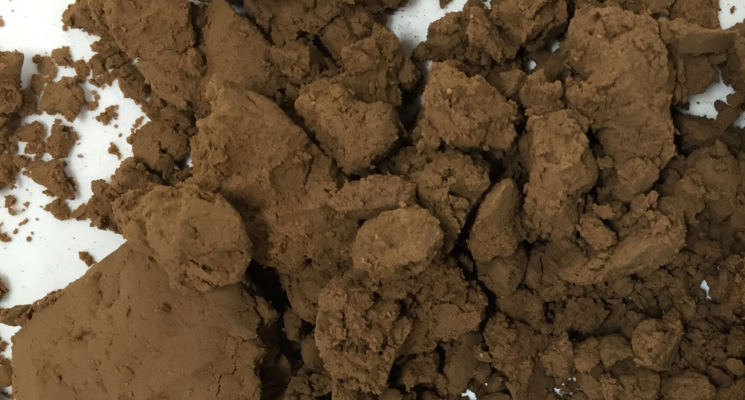
A fresh bag of Brussels sand had just been opened while six academics stood behind a workbench, feeling and touching the sand as if it had just arrived from Mars. In fact, I was about to start my first historical reconstruction of early modern gold- and silversmithing techniques. First step in the process was to…
-
The Belgian reception of relativity theory
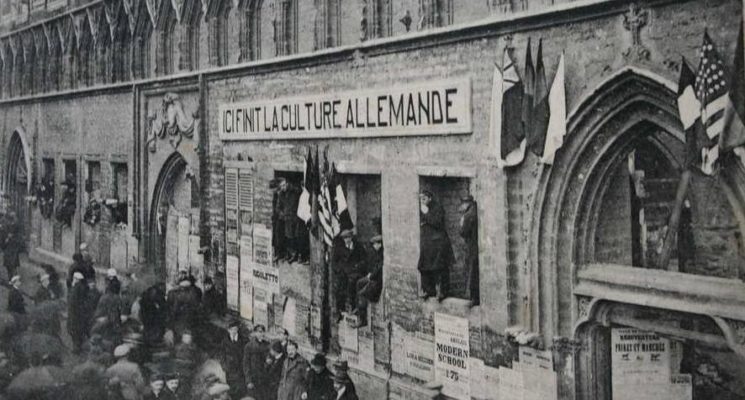
In 1919, with the experimental verification of general relativity by the English astronomer, physicist and mathematician Sir Arthur Stanley Eddington, Albert Einstein’s theory came to be celebrated worldwide. Newspapers across the globe hailed Eddington’s observations as definitive proof of Einstein’s postulates on gravitation.
-

SSK.O. ?
The recent discovery of gravitational waves has impressed many people and has caused considerable stir in the community of physicists. Surprisingly this commotion has not spread to the community of historians of science. This is surprising because I believe that the claim to have detected gravitational waves constitutes a serious blow to the stronger versions…
-
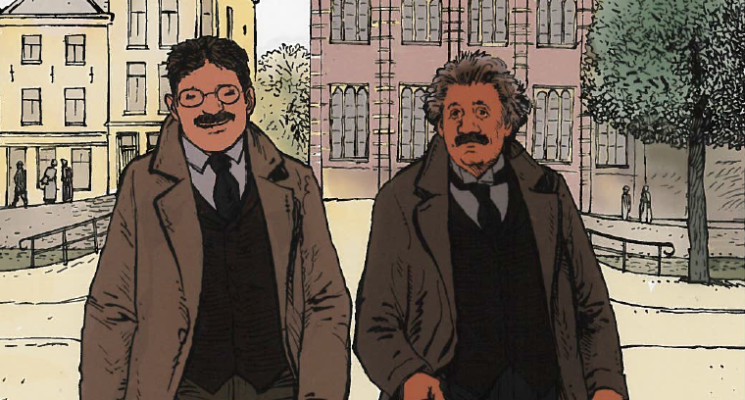
History of science in comic books
Fred de Heij (illustraties), Ad Maas (tekst), Ehrenfest! (Museum Boerhaave, Leiden 2015), 50 pagina’s, € 7,95. Als er één natuurkundige een stripverhaal waardig is, dan is het Ehrenfest. Zijn leven is op zich al bijna een stripverhaal. Deze energieke fysicus wist in een tijd van verwarrende ontwikkelingen de natuurkunde te verlevendigen door deze te vatten…
-
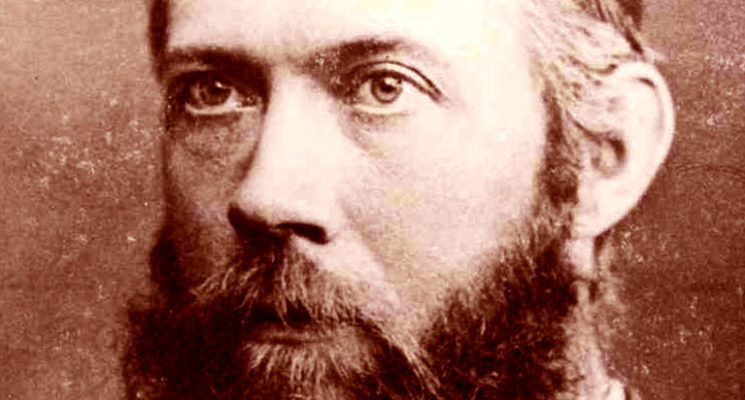
‘Everybody say Pannekoek!’
“Everybody say Pannekoek!’ ‘PENNNNEECOOOOKK’ ‘And again!” Emeritus-professor Ed van den Heuvel klom dapper op het muurtje in de tuin van het Trippenhuis van de KNAW om een uniek gezelschap te vereeuwigen. Rondom astronoom en socialist Anton Pannekoek (1873-1960) hadden zich op 9 en 10 juni wetenschaps-, kunst- en politiek historici, filosofen, kunstenaars en astronomen verzameld…
-
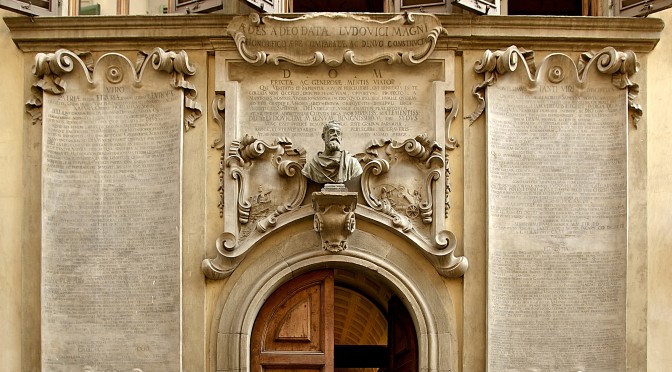
Famous, Shrewd, Florentine, Mathematician: Guess Who?
In 1611 an unknown novice recited a poem titled “Sonnet on the Death of the King Henry the Great, and on the Discovery of Some New Planets, or Stars Wandering Around Jupiter, Made this Year by Galileo Galilei, Famous Mathematician of the Grand Duke of Florence”.[1] The occasion was the three-day commemoration of the death…
-
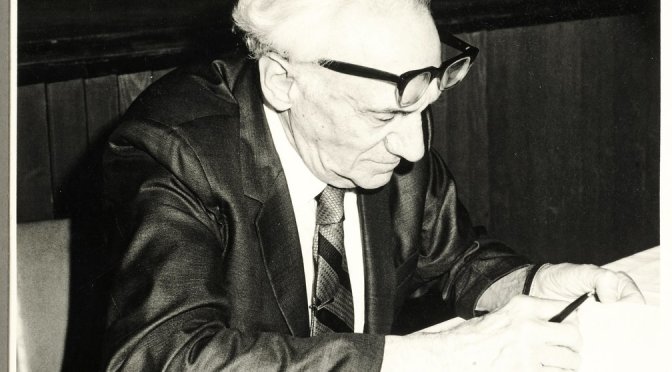
The V-Files
In the classic 1990s television show The X-Files, the Federal Bureau of Investigation relegated files of mysterious cases to a backwater office to be investigated by a lonely pair of agents, forgotten by the rest of the world (except when they got into trouble). The Immanuel Velikovsky Papers, stored in the Department of Rare Books…
-
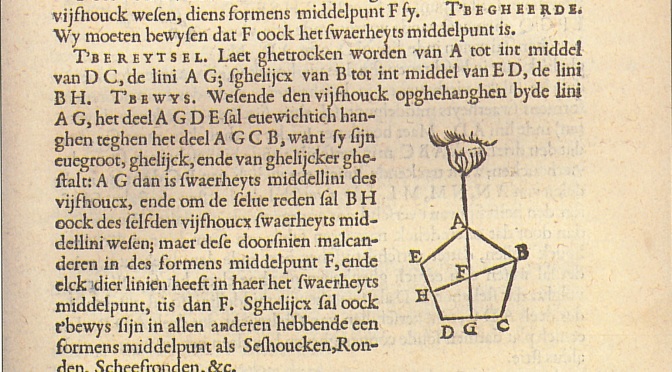
WIE HAALT UIT EEN RECENT PROEFSCHRIFT OVER SIMON STEVIN EEN PRACHT-ARTIKEL?
Ik begin deze oproep met een waar gebeurd verhaal. Op 5 juni 2013 promoveerde aan de Vrije Universiteit ir. Kees Schilt op een proefschrift met als titel Simon Stevin en het Hermetisme. De jonge doctor was toen 80 jaar oud en al zo doodziek dat de promotie bij wijze van hoge uitzondering niet op de…
-
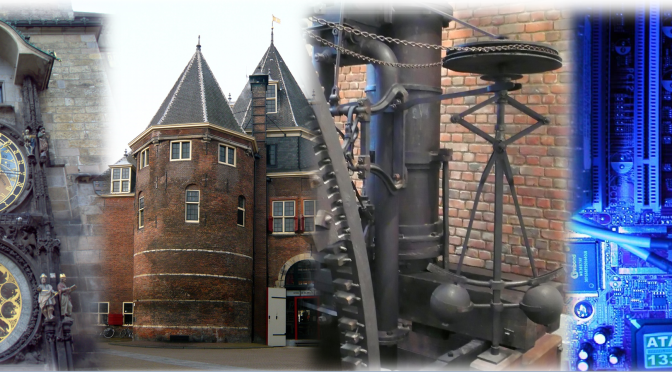
Mediating machines: a proposal for a big picture of the history of science
Over the last few decades there have been several calls for a ‘big picture’ of the history of science. The gradual fragmentation – or even dismissal – of older grand narratives, accelerated by the cultural turn, is increasingly seen as problematic. There is a general need for a concise overview of the rise of modern…
-
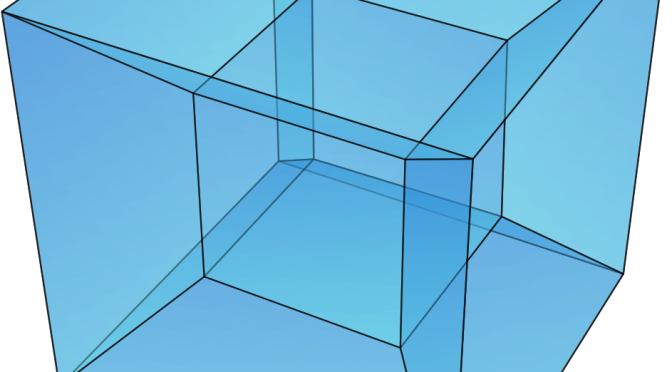
Visualization of dimensionality after the institutional separation of mathematics and physics
Dimensionality is one of those concepts which has reached a higher level of complexity after the emergence of mathematics as an institutional discipline. Until the institutional split dimensionality was perceived as it had been understood from Euclid’s time. Visualizing dimensionality from that point of view was not particularly challenging. This changed with the introduction of…
-
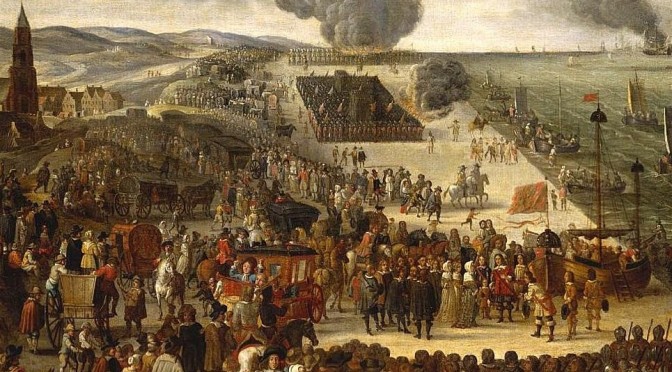
Wetenschap als instrument van politieke verzoening en modieus koningschap. Charles II en de Royal Society
Door Gijs Rommelse Na een drukke dag met tal van activiteiten dineerde Samuel Pepys, één van de belangrijkste ambtenaren van de Engelse admiraliteit, op woensdagavond 14 november 1666 in de Pope’s Head, een bekende herberg in het hart van Londen. In zijn later beroemd geworden dagboek noteerde hij dat één van zijn tafelgenoten, de prominente…
-
Een telescoop uit Delft
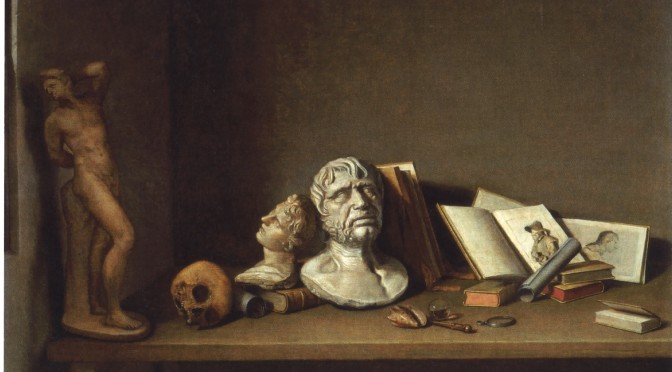
Door Marlise Rijks Op 14 mei 2014 haalde het bericht het achtuurjournaal: in Delft was Nederlands oudste bewaarde telescoop gevonden. Het instrument werd opgegraven door archeologen die in eerste instantie dachten een kogelhuls te pakken te hebben. Na onderzoek door Museum Boerhaave bleek het echter te gaan om een telescoop uit de vroege zeventiende eeuw.…
-
The chemical skeleton: why chemistry mattered to 18th-century medicine
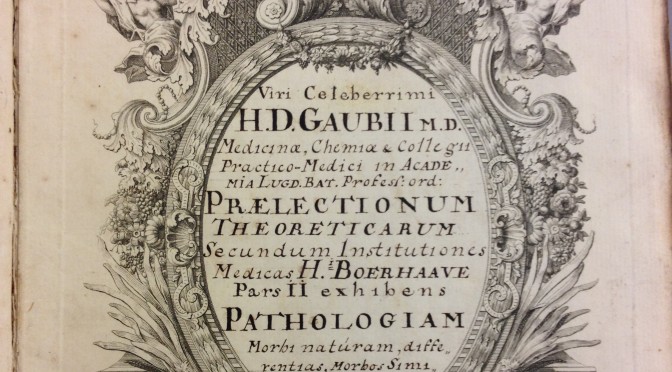
By Ruben Verwaal Imagine yourself as an 18th-century medical student at Leiden university. You are curious to know why you sometimes feel all weak and limp, while elderly people may have stiff muscles. Why can there be days you suffer from constipation, while on other days you have diarrhoea? Questions such as these also kept…
-
Het belang van afdankertjes
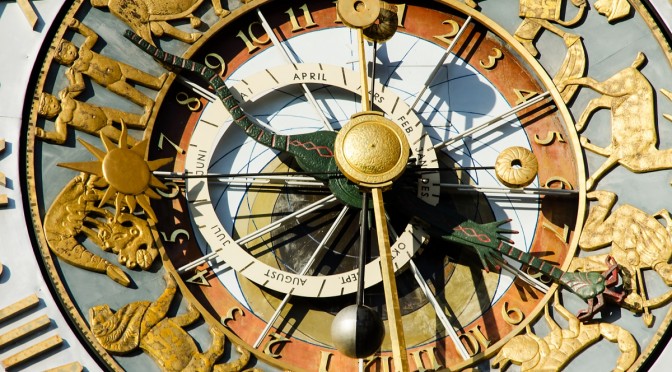
Door Rienk Vermij De geschiedenis van de “wetenschappelijke revolutie”van de zeventiende eeuw wordt veelal beschreven als een opeenvolging van ontdekkingen en nieuwe theorieën. Niemand zal zeggen dat die niet belangrijk zijn, maar zo’n verhaal mist wel een belangrijke dimensie. Want niet alleen wonnen nieuwe ideeën veld, er werden ook oude afgedankt.
-
Over Fedde’s neerhalen van Newton
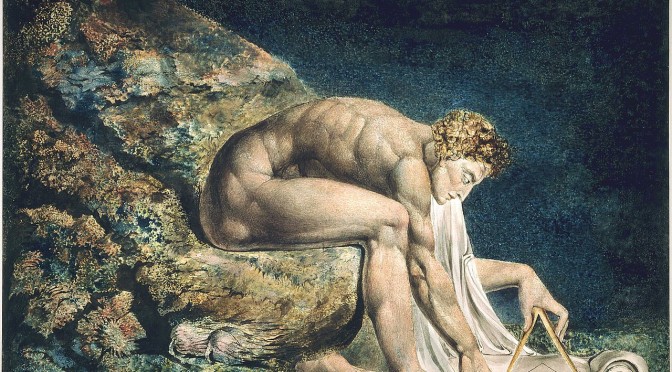
Door Floris Cohen De redactie van ‘Schelpen en Steentjes’ heeft me gevraagd om op Fedde Benedictus’ boutade over Newton te reageren, ik denk omdat ik de auteur ben van een boek over Newton. En inderdaad, in de epiloog van Isaac Newton en het ware weten vind ik een heel reeksje van zwakke punten van Newton…
-
The Father of Modern Science?
By Fedde Benedictus Both the originality and the intrinsic value of the work of Isaac Newton have been grossly overestimated. According to traditional history of science, Newton’s work (of which primarily his Principia Mathematica, first published in 1687) was the 17th century’s very pinnacle of the mechanistic worldview, and with that, it provided one of…