Category: Life sciences & medicine
-
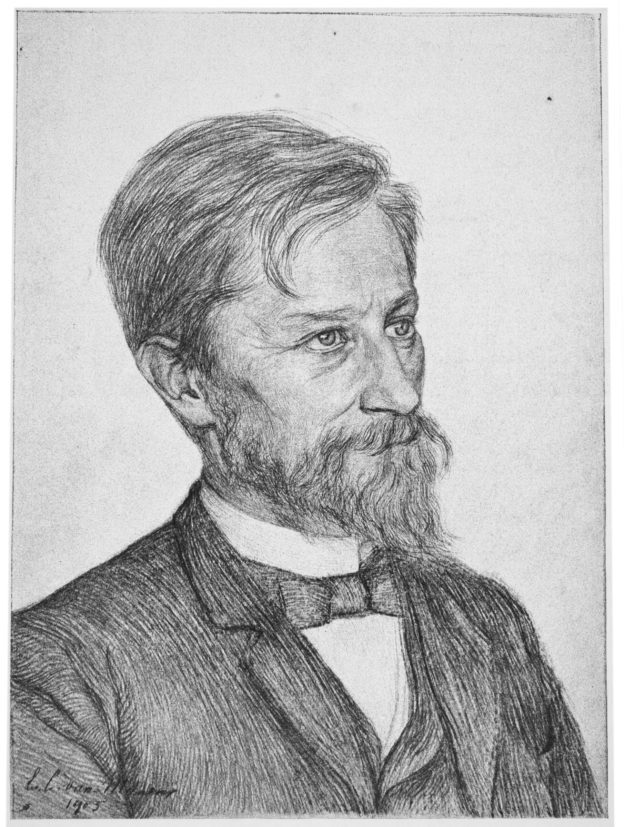
Gerbrandus Jelgersma: een wetenschappelijke (r)evolutie?
Tussen 1900 en 1920 voltrok zich binnen de psychiatrie een transformatie van een overwegend biomedische benadering naar een meer psychologische. Psychiaters in Nederland hadden veel aandacht voor psychologische en in het bijzonder psychoanalytische methoden om geestesziekten te bestuderen. Als één van de eerste Europese hoogleraren psychiatrie die de psychoanalyse omhelsde, was de Leidse psychiater Gerbrandus…
-
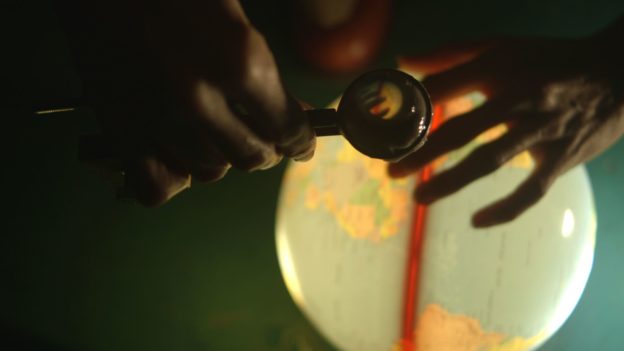
In Waking Hours: Historical reconstruction, film, and why we need more diversity in academic output
On 6 December 2016 Katrien Vanagt, a historian of science and filmmaker, gave a guest lecture on early modern experiments in anatomy and optics within Prof. Sven Dupré’s Master course “Art and knowledge: Light, Color and Perspective in Art” at University College Utrecht. First, we watched her documentary In Waking Hours, co-produced with film maker…
-

Card files of the self
Every generation gets the self-help book it deserves. From the nineteenth-century Marriage Manual to the more recent The 4-hour Work Week (2007), books have been telling us how to cope with life. The promises of these books were—and still are—based on new or recycled knowledge about psychology, health, and business, and on common sense advice…
-
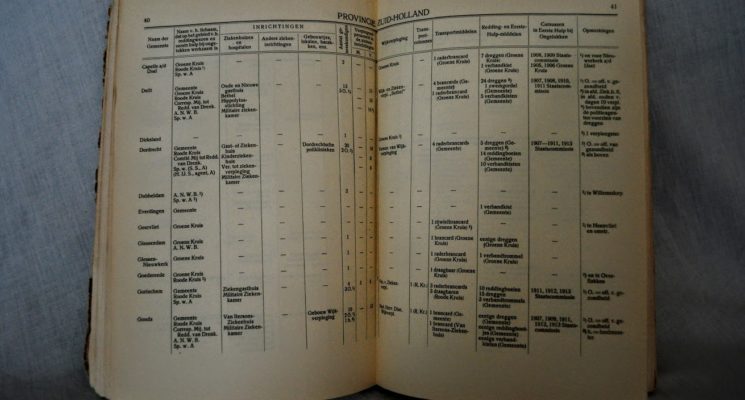
A Near Impossible Task
In case of an emergency you call the emergency hotline, and help arrives quickly. This seems so straightforward that one almost forgets it requires a lot of coordination and organization. At the turn of the twentieth century the organizational structure behind emergency medicine developed significantly. Especially fundamental was the introduction of triage during the First…
-
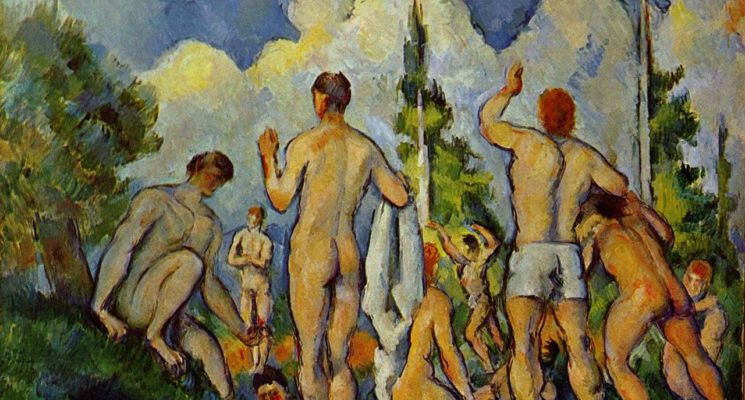
Painting a picture of the Modern-Day Amateur Scientist
“There is no such thing as an amateur artist as different from a professional artist. There is only good art and bad art,” said the French Painter Paul Cézanne, tipping his hat to his amateur colleagues. Such an attitude might appear to be on the rise in the world of science as well. In recent…
-
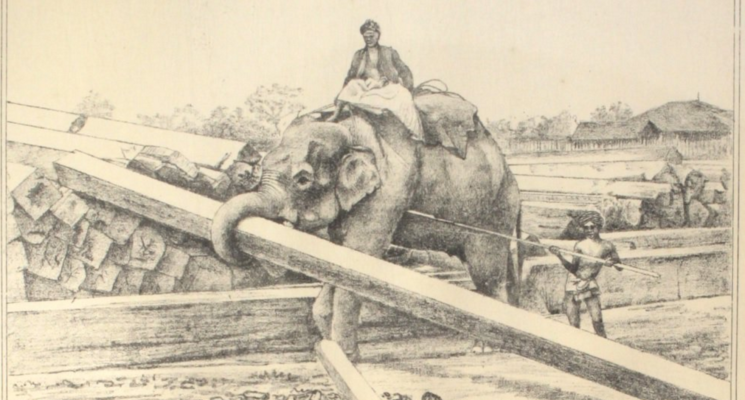
Framing Elephant Disease – John Henry Steel’s A Manual of the Diseases of the Elephant and of his Management and Uses (1885)
To nineteenth-century colonial Britons, the elephant was of great importance. Not only were these giants widely used in colonial enterprises such as the army and timber industry. The animal also figured prominently in the visual and literary culture of that time. In the British Raj, the theme of human domination over other animals served to…
-
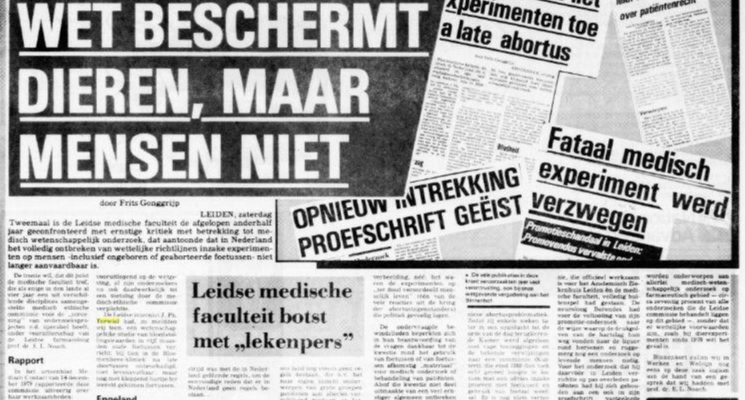
‘There he is, God, the Father’
In the winter of 1980, during the final months of her nearly 32-year reign, Juliana of the Netherlands received multiple distraught letters from subjects deeply disturbed by a news item making waves in national media.[1] In December, the Dutch Telegraaf had reported that a Leiden internist had taken blood samples from foetuses aborted in the…
-
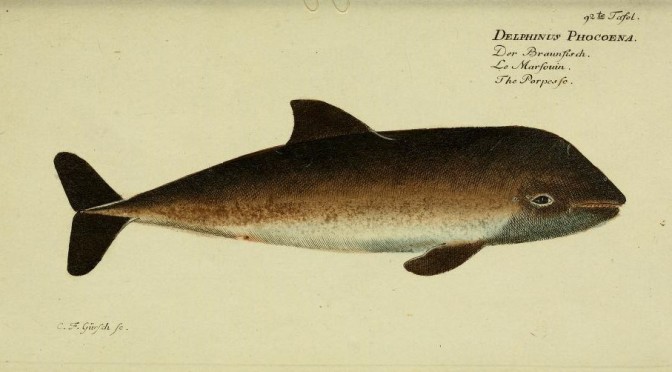
Enlightening Fish Books
When the French naturalist Bernard Germain de Lacépède died in 1825, fellow naturalist Georges Cuvier lamented this as a loss for the field of natural history. Lacépède, who authored the five-volume Histoire naturelle des poissons, ‘had a talent for finding the appealing side of the story of these organisms [fish] that seem to touch us…
-
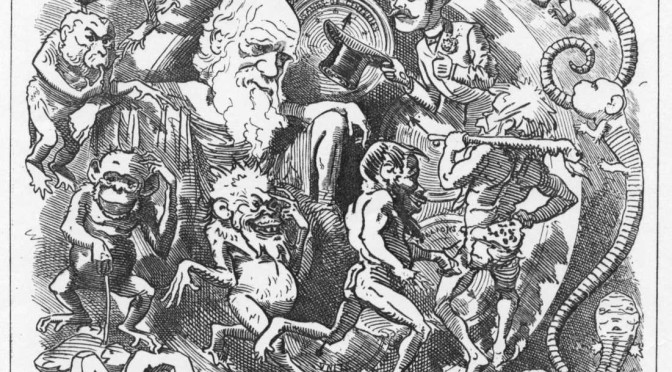
The worms crawl in, and the worms crawl out: Charles Darwins pleidooi voor de pier
Tijdens mijn opleiding Archeologie besloot ik in de zomer deel te nemen aan een opgraving aan de Uithofslaan in Den Haag. Bij eerdere opgravingen was het fundament van een kloosterboerderij blootgelegd, samen met verschillende waterputten en een vloer van kloostermoppen. Deze boerderij stamt uit de 13de eeuw en was onderdeel van het cisterciënzer klooster ‘De…
-
Pee in a jar?! Dirty Materials in History of Science
Objects can be a real pearl on the shores of history of science. Telescopes and steam engines still figure prominently in our field, and rightfully so. From the edited volume Making Instruments Count (1993) to Frans van Lunteren’s blog ‘Mediating Machines’ here at Shells & Pebbles, many scholars research the role of scientific instruments in…
-
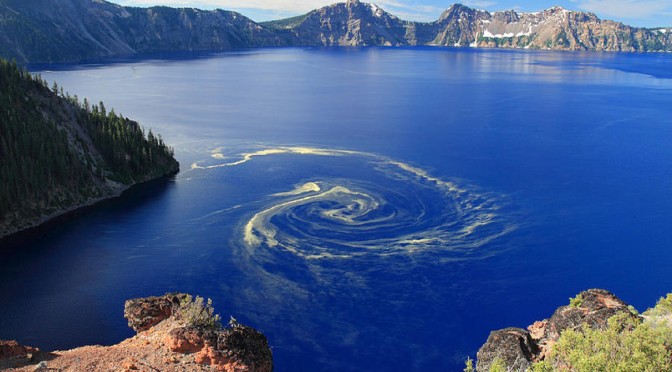
Dust in the wind. Windbestuiving: een plantaardige zondvloed
Talloze vissersboten zijn met man en muis vergaan voor de rotskusten van New England, Nova Scotia en Newfoundland. Dat is niet vreemd. Het weer aan de Noord-Oostkust van het Amerikaanse continent is onvoorspelbaar, de kolkende en bruisende zee onstuimig en de torenhoge rotsen zijn angstaanjagend. Maar soms doen de weergoden er nog een schepje bovenop.…
-
Individualizing fatness, or: Why being Jewish lowered your life insurance premiums in the early twentieth century
Should fat people pay more for their life insurance? To us, this is mainly a moral question: is it ethical to charge people for their unhealthy lifestyle? Hardly anyone questions the underlying assumption, that being fat increases the chance of dying prematurely, even though science studies scholars and fat activists argue that the evidence is…
-
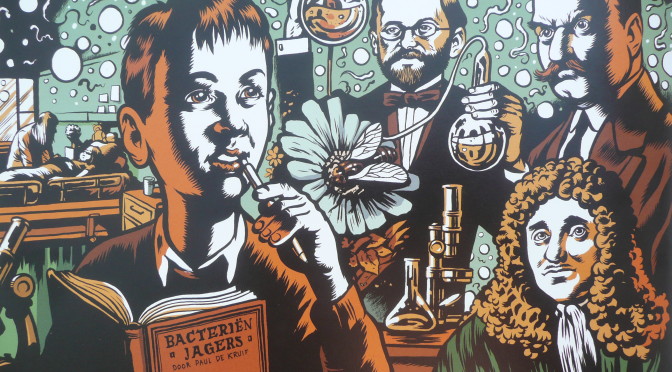
Paul de Kruifs Microbe Hunters: “the making of” deel 2
Paul de Kruif was een Amerikaanse bacterioloog, die in 1922 besloot de medische wetenschapsjournalistiek in te gaan. Hij hielp Sinclair Lewis met het schrijven van Arrowsmith, een heel leerzaam proces. Ondertussen begon hij met zijn eigen project: het schrijven van een boek over de grote onderzoekers van infectieziekten, zoals we in deel 1 van dit…
-
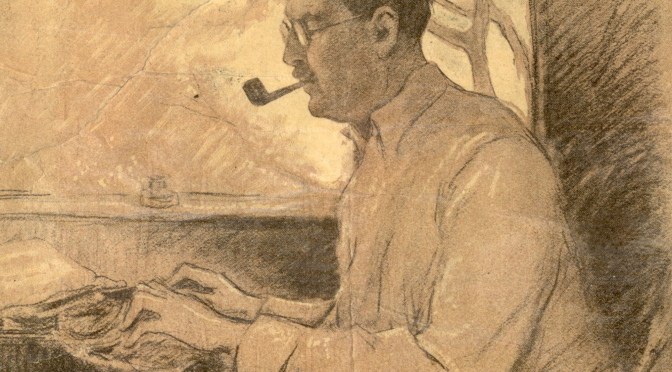
Paul de Kruifs Microbe Hunters : ‘the making of’ deel 1
Eerder schreef Noortje Jacobs een boeiend essay over de doktersroman Arrowsmith. Sinclair Lewis was de auteur, maar hij kreeg onmisbare steun van de bacterioloog Paul de Kruif, die kort daarvoor besloten had om wetenschapsjournalist te worden. Samen reisden ze in 1923 via de Caraïben naar London en bij aankomst was het skelet voor Arrowsmith klaar.…
-

The tree of hell
Last summer I visited the UNESCO archives in Paris. Located at the far end of the Champ de Mars, right after the Eifel Tower and the École Militaire, the organization’s headquarter is a well-known and impressive building. Place de Fontenoy, however, is a place for diplomats and government-representatives. Historians interested in the past activities of…
-
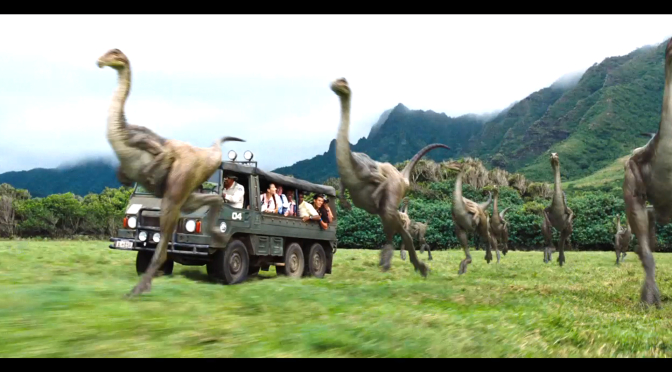
Not so Jurassic a World as we might prefer
A big-budget film about dinosaurs will always make the headlines, particularly if it is the follow-up of Steven Spielberg’s wildly successful Jurassic Park, from 1991. Dinosaurs, at least those visible to us on cinema and TV screens, were never the same after that. But not all is well in the land of blockbuster dinosaurs. Paleontologists,…
-
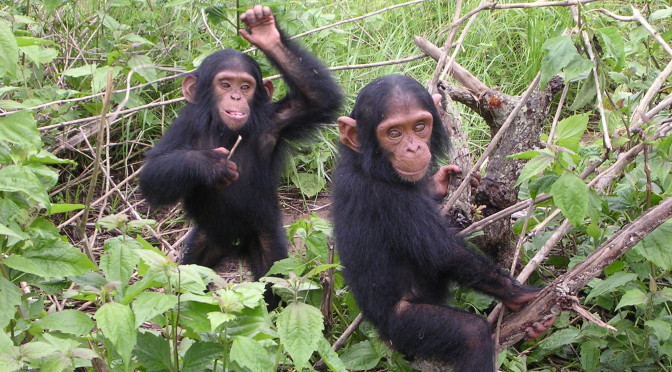
Dissecting the ‘Chain of Creation’: Edward Tyson and Anatomical Natural History
In 1698, Edward Tyson, an English anatomist, attempted to treat a sick chimpanzee. A group of sailors who had captured it in what is now Angola brought the young male chimp to Tyson after it developed an abscess in its mouth. Tyson referred to the chimpanzee as his “Pygmie” wondering if it should be classified…
-
How to diagnose their ills?
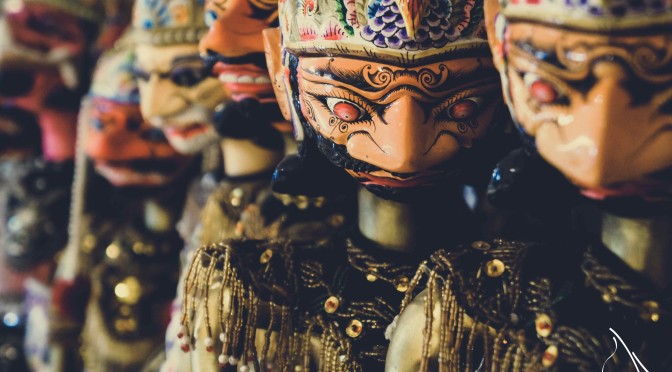
In 1998, the Australian professor of colonial medicine Warwick Anderson warned his readers that ‘[w]e should not assume that the colonial world was a passive receptacle for germ theories or any other form of Western medical knowledge’.[1] Although Anderson meant that the arrival of new medical theories to the colonies led to changes that were…
-
Bronstige bokken
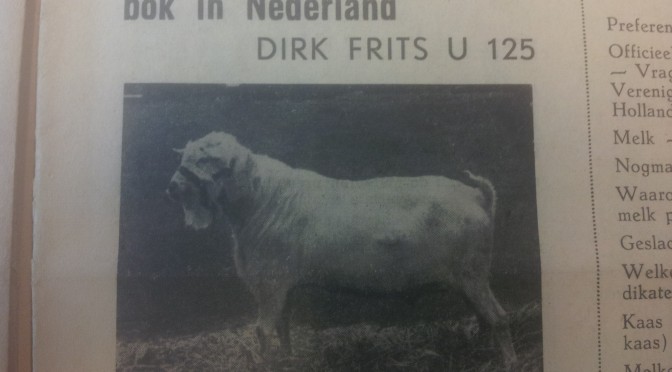
Schapen en geiten zijn een veel geziene combinatie. Zo prees de manifestatie ‘Dag van het Schaap’ in 2014 haar activiteiten aan met de ondertitel ‘nu ook met geiten!’ en ook in veel ambtelijke stukken worden schapen en geiten veelal onder hetzelfde kopje geschaard.[1] Daarnaast lijken de beide diersoorten ook wel wat op elkaar, zeker als…
-
‘Illegal Science’ – the case of Ernst Haeckel (1834-1919) and German biology education
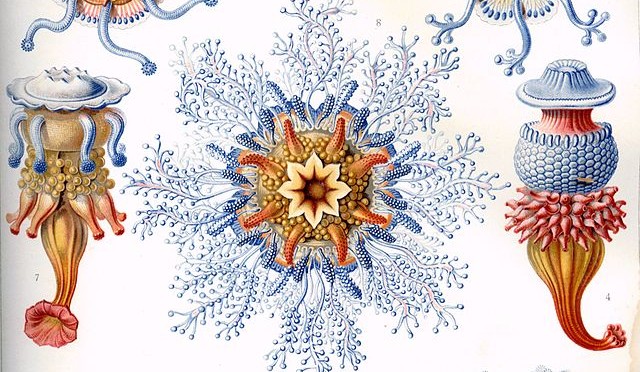
By Constance Sommerey “Guard your children!”[1] was a demand that echoed through multiple Prussian newspapers in 1877 (Depdolla 1939). It was uttered by a very concerned protestant minister who warned parents against the moral state of emergency at Prussian schools. The root of all evil? The incorporation of Ernst Haeckel’s evolutionism into biology classes. Five…
-
The chemical skeleton: why chemistry mattered to 18th-century medicine
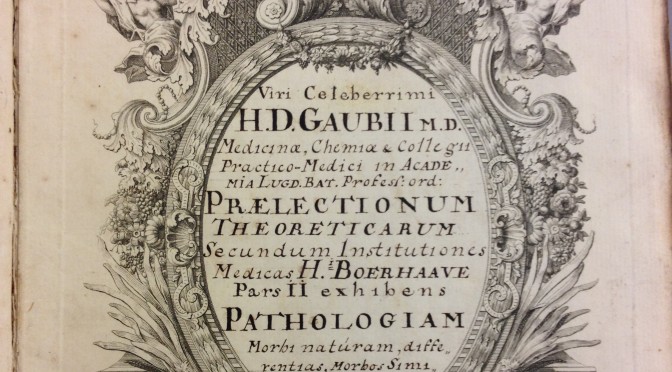
By Ruben Verwaal Imagine yourself as an 18th-century medical student at Leiden university. You are curious to know why you sometimes feel all weak and limp, while elderly people may have stiff muscles. Why can there be days you suffer from constipation, while on other days you have diarrhoea? Questions such as these also kept…
-
Purity or performance
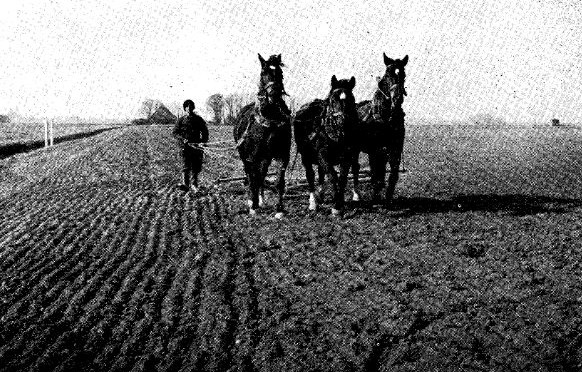
By Bert Theunissen Of all sports horses competing at the most recent Olympic Games, 30 % were Dutch-bred. And of the ten gold medals available, five were awarded to horses from the Netherlands. This is a remarkable achievement, considering that the Dutch do not have a long tradition in horse breeding like the Germans, the…