Category: Life sciences & medicine
-
A phantom in the museum
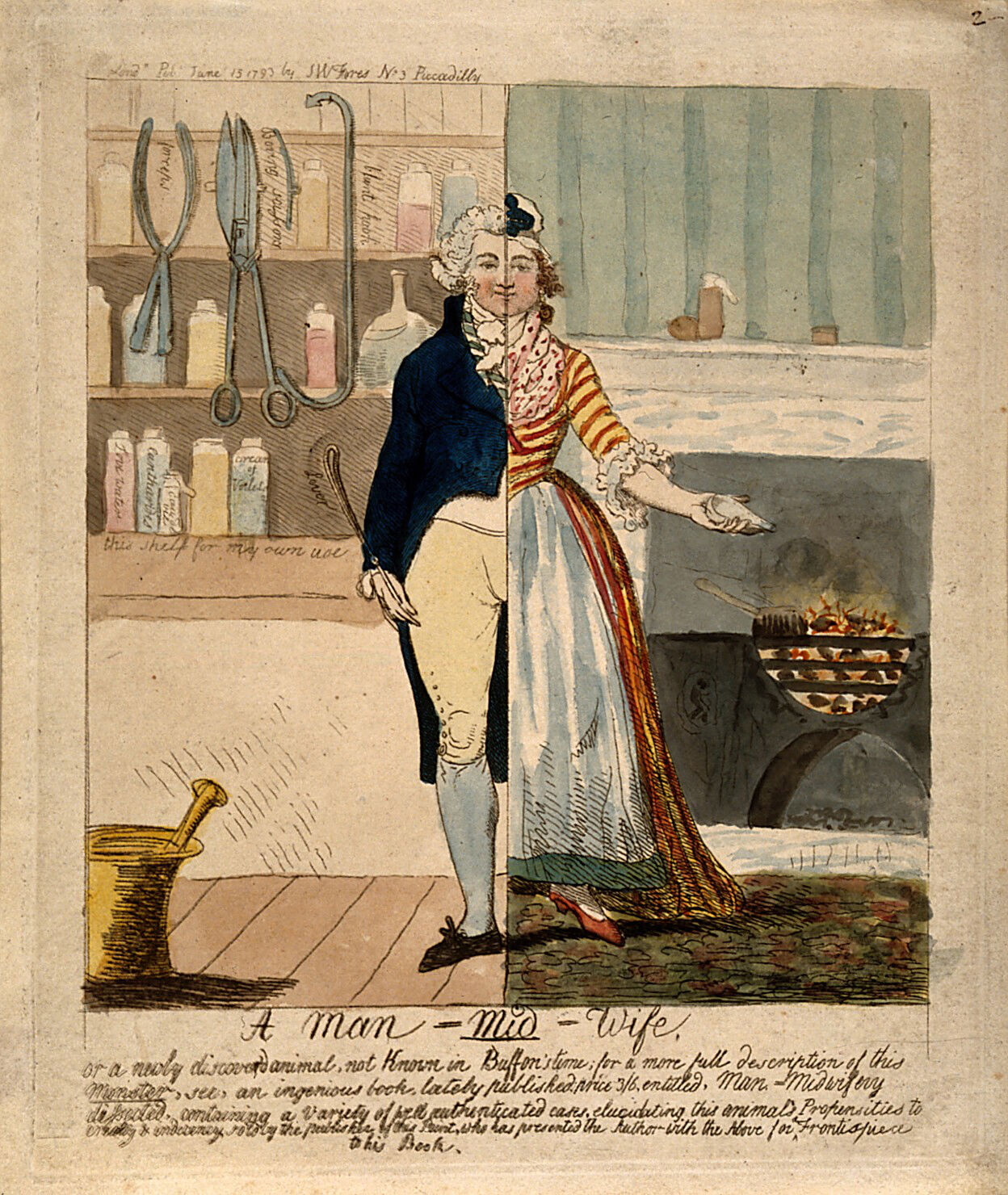
While wandering through the hallways of the Rijksmuseum Boerhaave in Leiden, there is a room where one encounters a peculiar object that immediately catches the attention. In the “Medical Room”, inside a glass showcase that closely resembles a modern incubator, lies a fragmented pregnant doll accompanied by a fetus-like model (Fig. 1). This object bears…
-

On Trying: An Interview with Peter Galison
Peter Galison: I’m Peter Galison. I am a professor at Harvard University, where I’ve been for quite a while, and before that I taught at Stanford for about ten years. I grew up in New York City, and spent a year at École Polytechnique in Paris in a physics lab before I went to college.…
-

Education for a green future? A plea for historical perspectives in sustainability education
I am not a historian. Yet, as a sustainability education researcher, I know how important a historical perspective can be when dealing with sustainability issues. In this text, I show some of the clearest links between history and sustainability issues through the lens of sustainability education. Many issues that plague society are related to sustainability.…
-
Mapalad: Fieldwork Notes from Culion
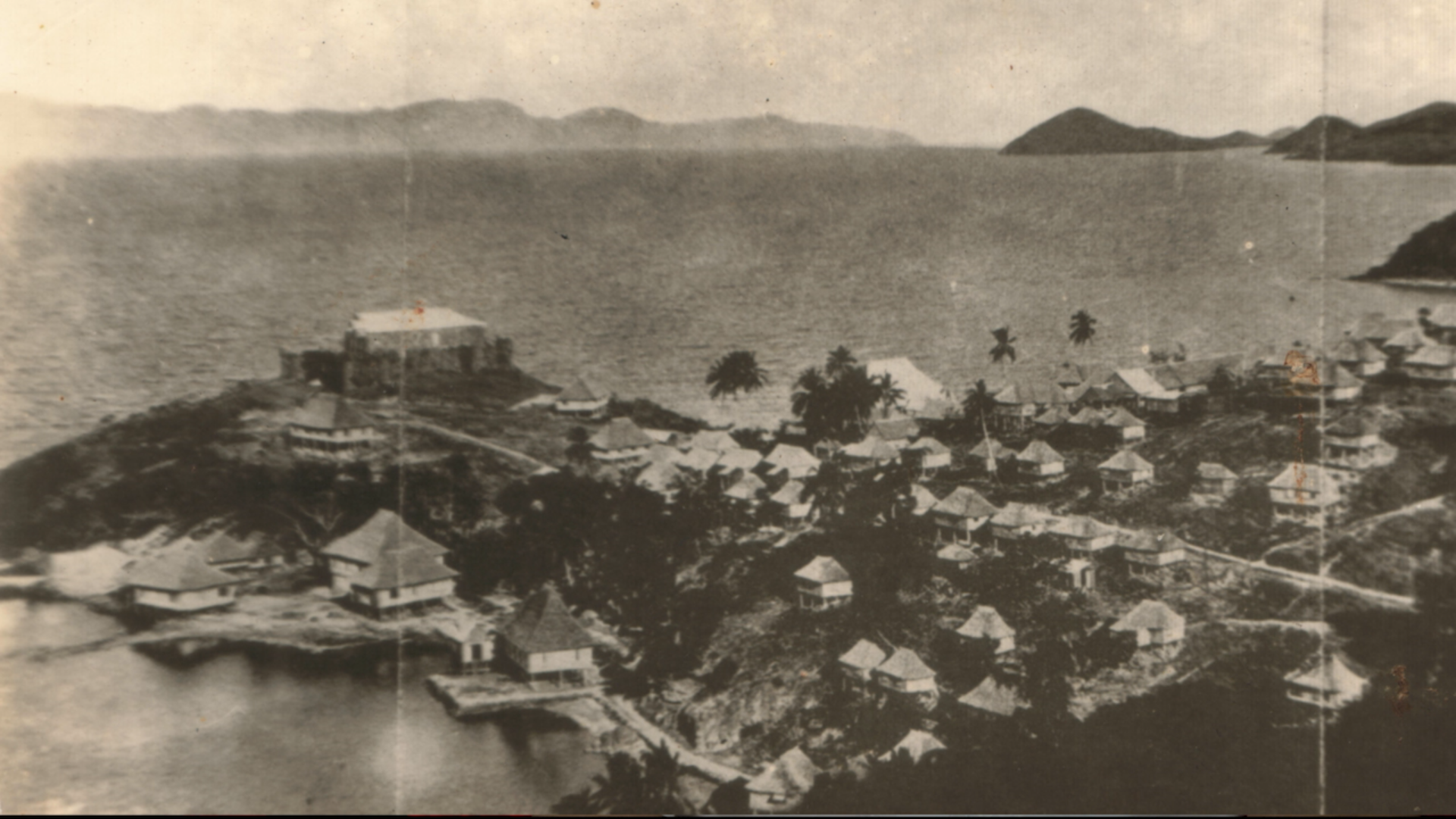
“Godzilla vs. Kong. Why was this movie chosen to entertain the ferry passengers? Was the movie a personal favorite, or was it the only movie available?” I asked myself, as I craned my neck and shifted uncomfortably on my seat to get a better view of the medium-sized television screen mounted on the wall several…
-
An Interview with Rina Knoeff: History of Medicine Today
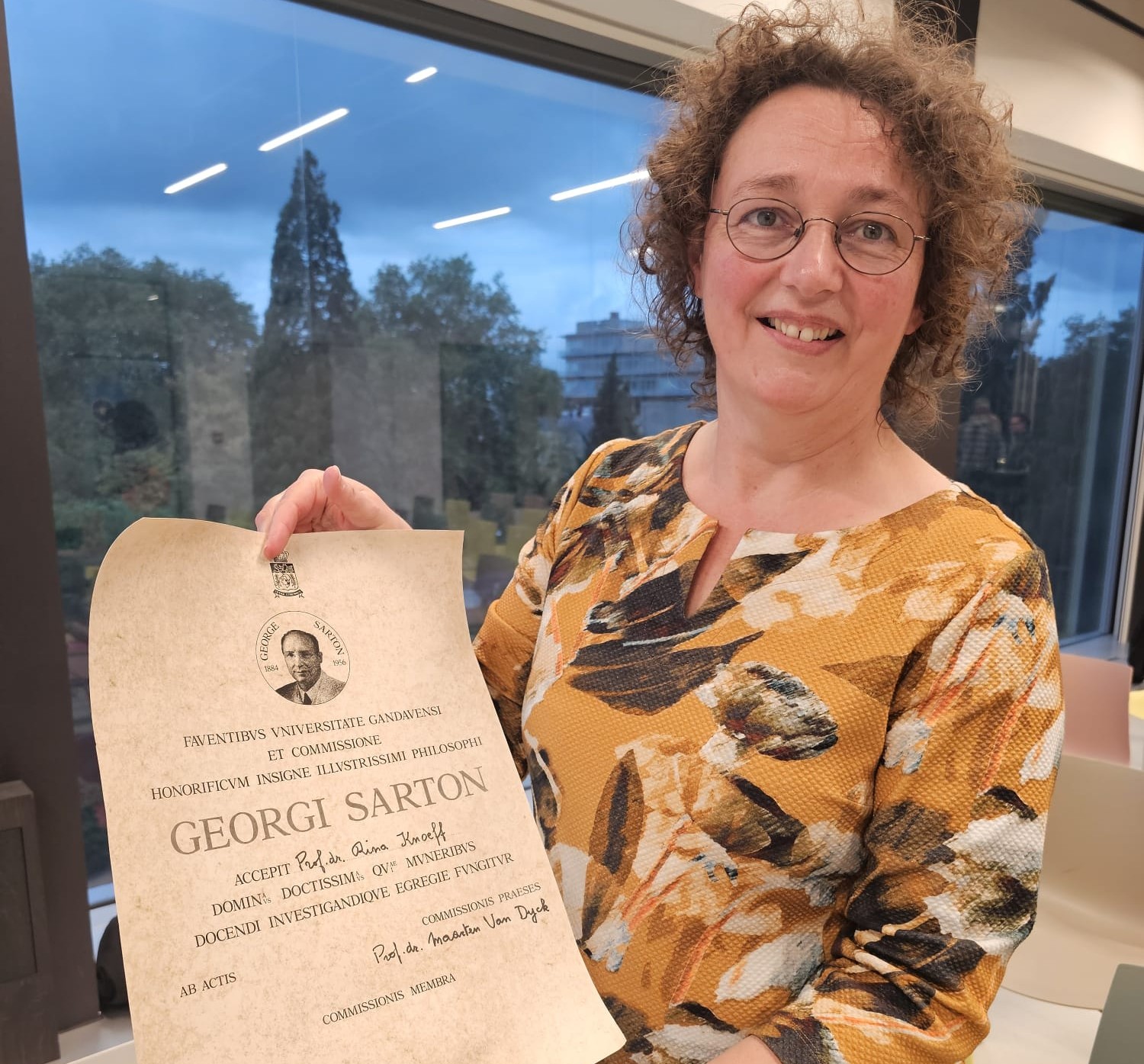
This is the third in our series of interviews with current historians and philosophers of science. In these interviews, our guests are asked to reflect on the current status of the field, how we might be able to contribute to contemporary debates, what their own research interests are, and how these interests inform their worldview.…
-
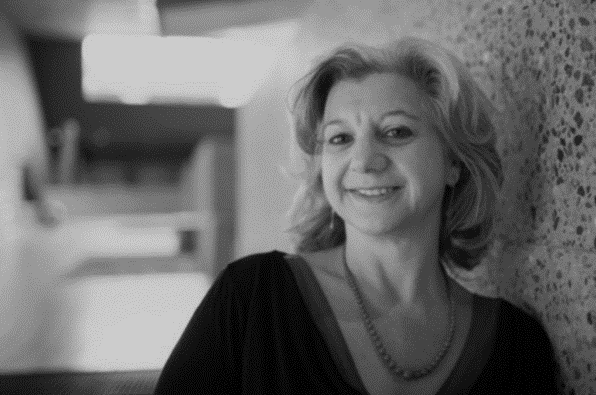
An Interview with Federica Russo: Integrated HPS in Practice
This is the second in our series of interviews with current historians and philosophers of science. In these interviews, our guests are asked to reflect on the current status of the field, how we might contribute to contemporary debates, what their own research interests are, and how these interests inform their worldview. In this interview…
-
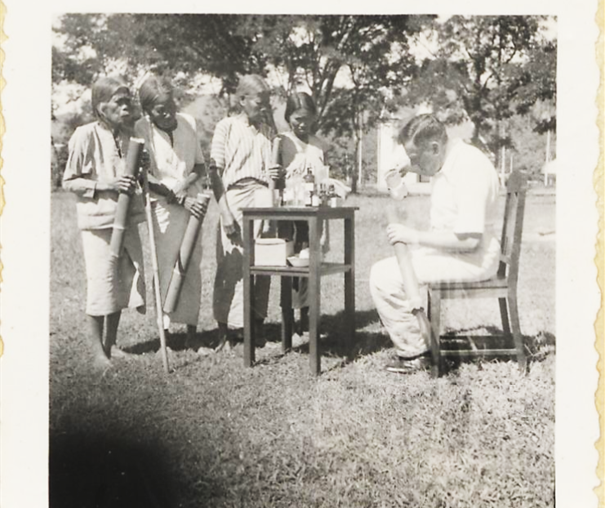
A Last Resort: Legitimizing Medical Experiments in the Colony
It is something that is considered to be self-evident today: in order to test a new pharmaceutical drug, a randomized controlled trial should be set up and the informed consent of those participating is needed. Before the Second World War, however, few such guidelines existed in print. Rather, medical ethics were implicit and flexible. This…
-
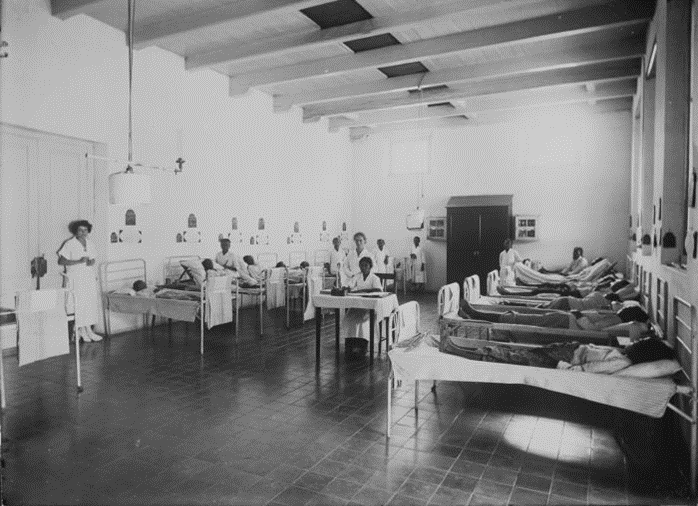
The story of a boy whose life continued after death
“The heart hangs out of the neonate’s body, as if it beat too harshly for too long and pulsated its way forward. It makes me wonder about whether this child was loved by someone wholeheartedly, or if it made someone’s heart beat extremely fast for other reasons than affection, like fear or fascination.” (My personal…
-
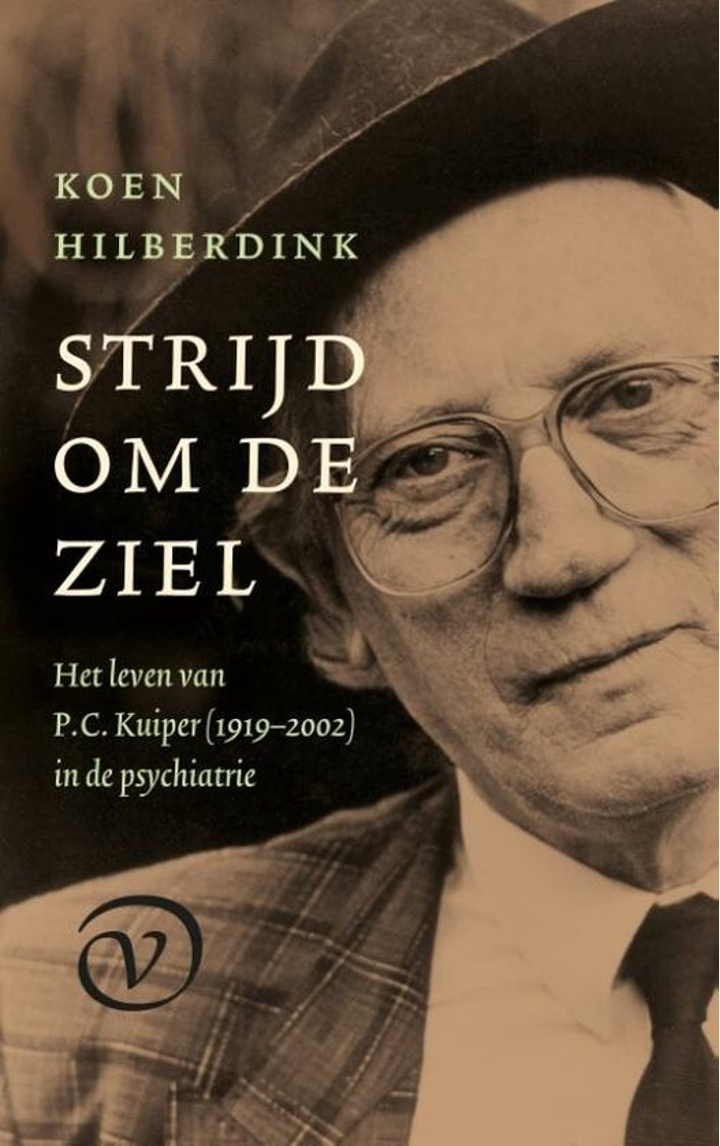
Een intrigerende biografie over een gemankeerde psychiater. Het problematische leven van Piet Kuiper (1919-2002)
Een recensie van Koen Hilberdink, Strijd om de ziel. Het leven van P.C. Kuiper (1919-2002) in de psychiatrie, Uitgeverij van Oorschot, 352 blz. In de jaren zeventig en tachtig van de vorige eeuw leerden vrijwel alle studenten geneeskunde (en andere opleidingen) het vak psychiatrie via twee boeken van hoogleraar Piet Kuiper: Neurosenleer en Hoofdsom der…
-

Een halve eeuw orgaantransplantaties in Groningen
Kroniek van multidisciplinair samenwerken zonder goden Orgaantransplantaties hebben altijd tot de verbeelding gesproken. In de Griekse mythologie komen wezens voor (Minotaurus en Kentaur) die samengesteld zijn uit menselijke en dierlijke onderdelen. Later zijn het de patroonheiligen Cosmas en Damianus die een been van een overleden Moor transplanteren. Toen de droom in de huidige tijd werd…
-

The Male Pill: Reflections on Gender and Social Construction
“The Pill” is the most common contraceptive used by women in Western countries, and certainly the most high-profile one.[1] The Pill combines ease of use (daily oral administration of a small capsule) with high contraceptive effectiveness (more than 99% with correct use). In 2010, both scientists and journalists celebrated the fifty years of the Pill,…
-

Corona zonder eigenschappen
Het coronavirus houdt zich niet aan de landsgrenzen, het heeft geen paspoort, houdt zich niet aan de grondwet en trekt zich niets aan van drukte op De Dam. Deze trits uitspraken van premier Mark Rutte en minister Hugo de Jonge somde Arjen Lubach zondag 4 oktober 2020 op. Daarmee deed hij de rake observatie dat…
-

Aan de vergetelheid onttrokken: Paul de Kruif
Frank Huisman, hoogleraar geschiedenis van de geneeskunde te Utrecht, heeft in 2013 een viertal argumenten of drijfveren voor het bedrijven van zijn vakgebied beschreven: 1) als hulpmiddel bij academische vorming (‘Bildung’); 2) als hulpwetenschap voor de geneeskunde; 3) als politiek instrument; en 4) als (culturele) betekenisgever.[1] Hij illustreert elk van deze vier drijfveren met markante…
-

De opkomst van de universitaire campus in Nederland, 1945-2020
Nu de universiteitsgebouwen in Nederland er verlaten bijliggen vanwege de coronapandemie – en geschikt worden gemaakt voor de anderhalvemetersamenleving – breekt een nieuw hoofdstuk aan in de roerige geschiedenis van de universiteitscampussen in de afgelopen decennia. Universiteiten zijn al enige tijd volop bezig met renovatie, sloop en nieuwbouw, vaak op basis van uitgesproken ideeën over…
-

Een koffer met lenzen
Als conservator van het Erasmus MC is het mijn taak interessante en belangrijke objecten te signaleren en te bewaren als erfgoed. En soms meert er inderdaad op de kade in Rotterdam een fascinerend object aan, zoals een onderzoekskoffer met testlenzen van oud-professor Gert van den Brink.[1] Een dergelijk object geeft een nieuw inkijkje in de…
-
The Glass Uterus: A Social History of an Object
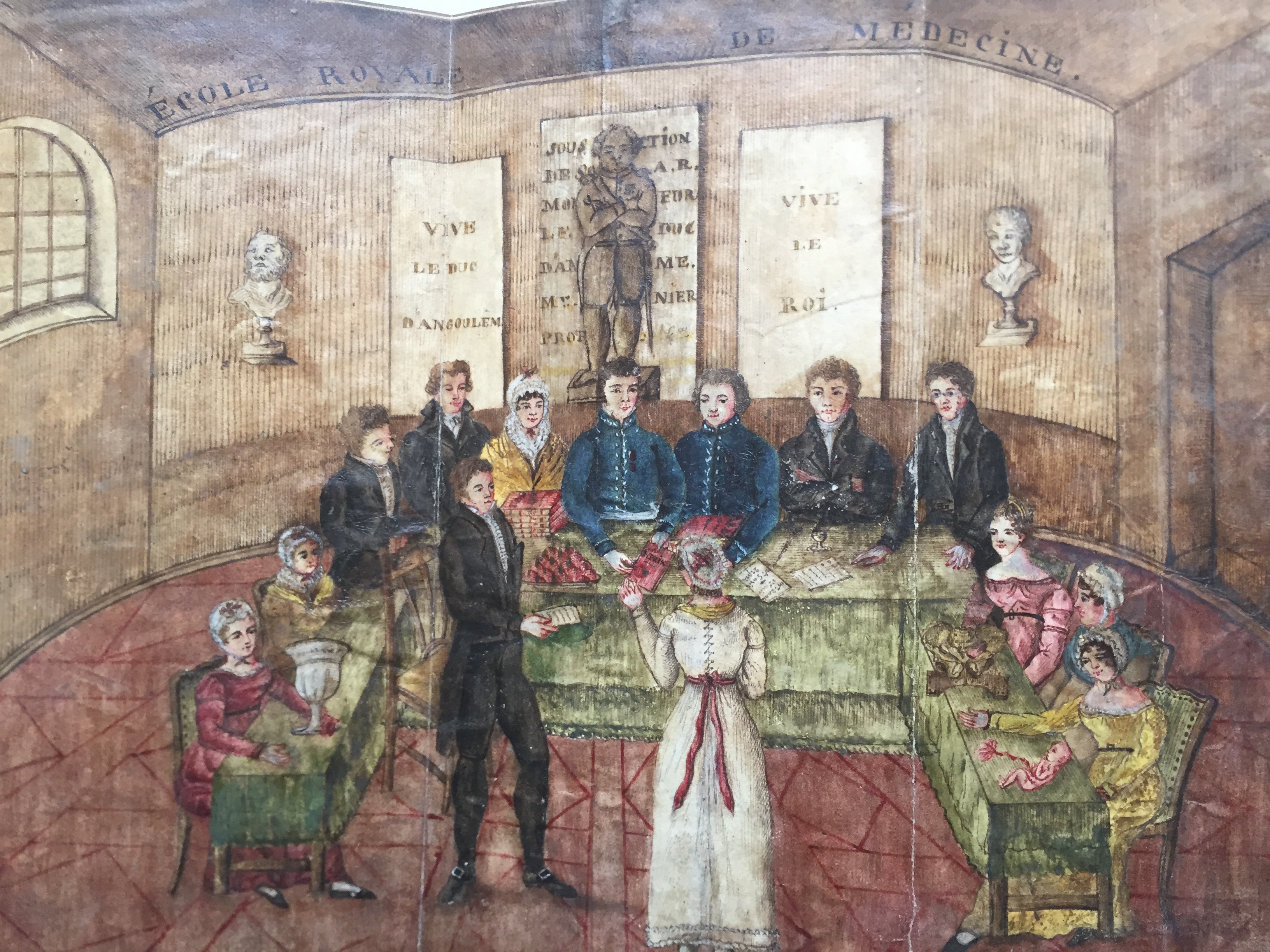
In 1778, four boxes of materials for the midwifery course in the Généralité of Soissons transferred from the recently deceased physician Nachet to the next instructor, Deberge, along with the title of professor of midwifery. These boxes included one real pelvis with ligaments, a sacrum, two hipbones, two femurs, two mannequins [fantômes], two infants for…
-

Gewenste kennis over ongewenste kunde: Kleiweg de Zwaan over abortus onder de inheemse bevolking van Nederlands-Indië
Tijdens het bestuderen van vroeg twintigste-eeuws antropologisch onderzoek naar de bewoners van Nias, een klein eiland ten westen van Sumatra, stuitte ik op korte, maar zeker niet omfloerste beschrijvingen van de positie van abortus binnen inheemse samenlevingen aldaar. Geïntrigeerd door het bestaan van deze niet-westerse abortuspraktijken, maar wellicht nog meer door het bestaan van antropologisch…
-
Van collega-antropologen tot verzetsheld en SS’er: Arie de Froe en Haring Tjittes Piebenga
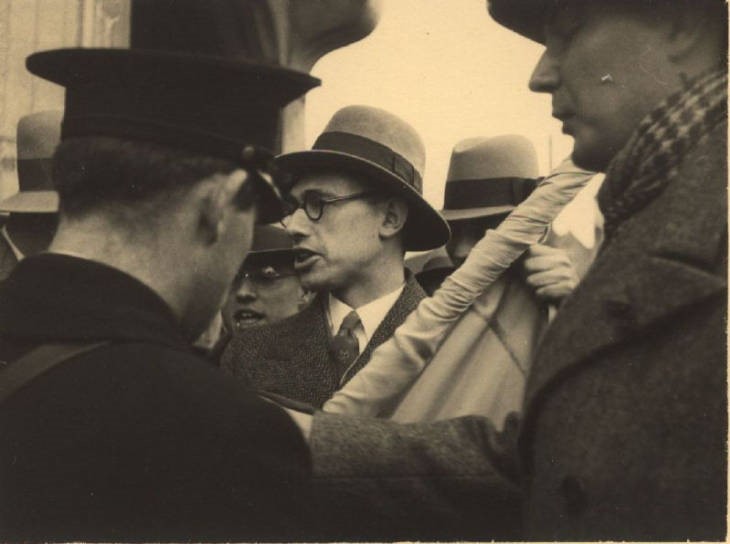
De Wieringermeer, 1939. Twee antropologen en een groep Amsterdamse geneeskundestudenten voeren grootschalig onderzoek uit. Honderden schoolkinderen en volwassenen worden gemeten en ondervraagd met als doel rassenkenmerken te identificeren. De samenwerking tussen de antropologen verloopt goed, naar eigen zeggen zelfs “uitmuntend,” doch vier jaar later zijn beide totaal verschillende kanten opgegaan. De een, Arie de Froe,…
-
Shortcuts to scholarly distinction: academic fraud in Dutch prize contests, ca. 1750-1900
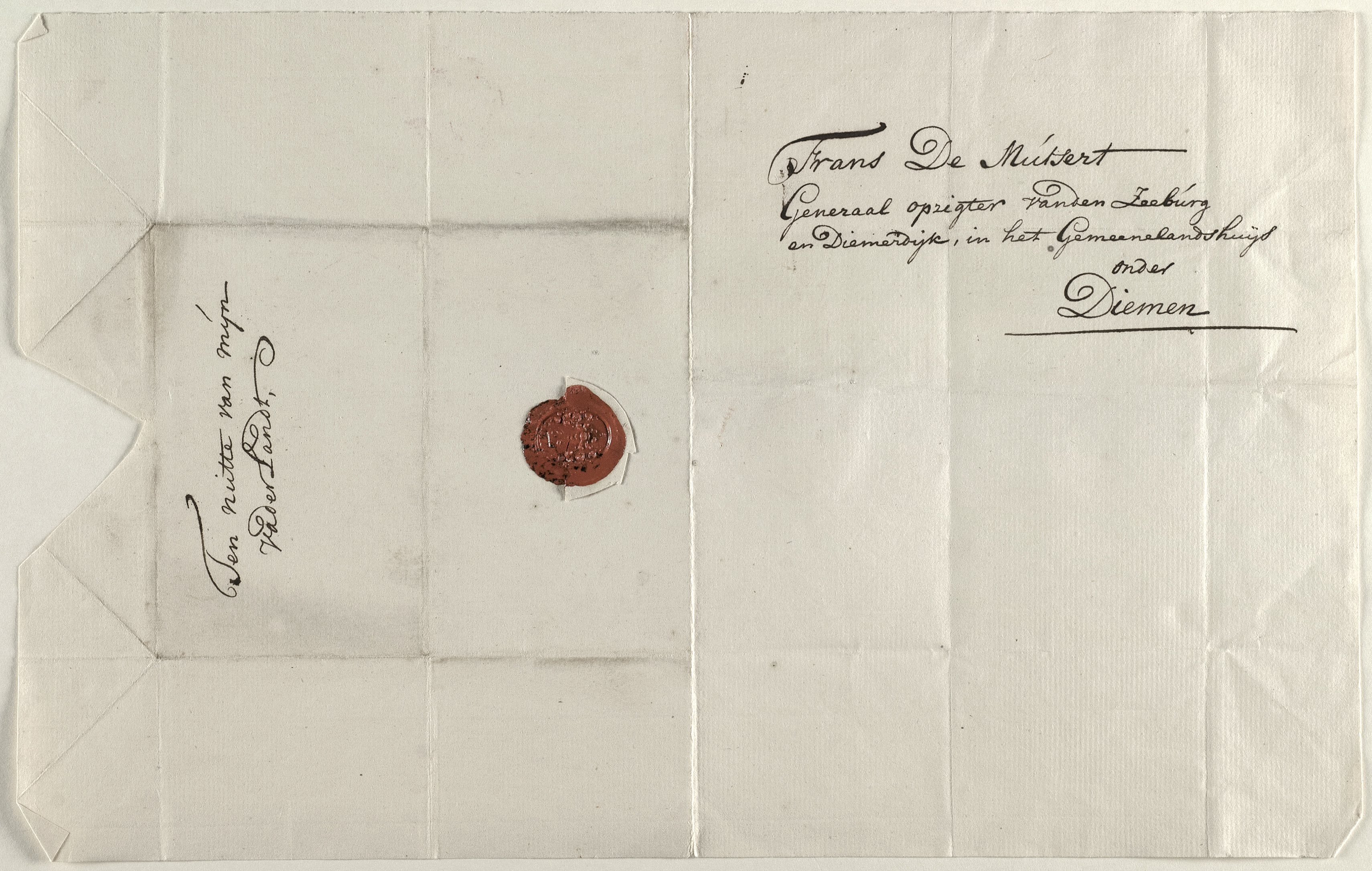
Prize contests are not a medium many people would associate with science nowadays. Academic papers and books produced in the context of universities are the norm these days. Yet, this has not always been the case: historically, universities were primarily training grounds for generations of lawyers, theologians and doctors. A lot of interesting research went…
-
The Murky Waters of Classification: Ordering Fish in Eighteenth-century Europe

By Didi van Trijp ‘Fish & Fiction‘ is an exhibition on the history of fascination with the aquatic life, between 1500-1900, and is currently on show at the University Library of Leiden University (until January 13). The coming weeks Shells and Pebbles is publishing some of the catalogue texts, composed by the historians who contributed…
-
Fish out of Water: Collecting Aquatic Animals in the Early Modern Period
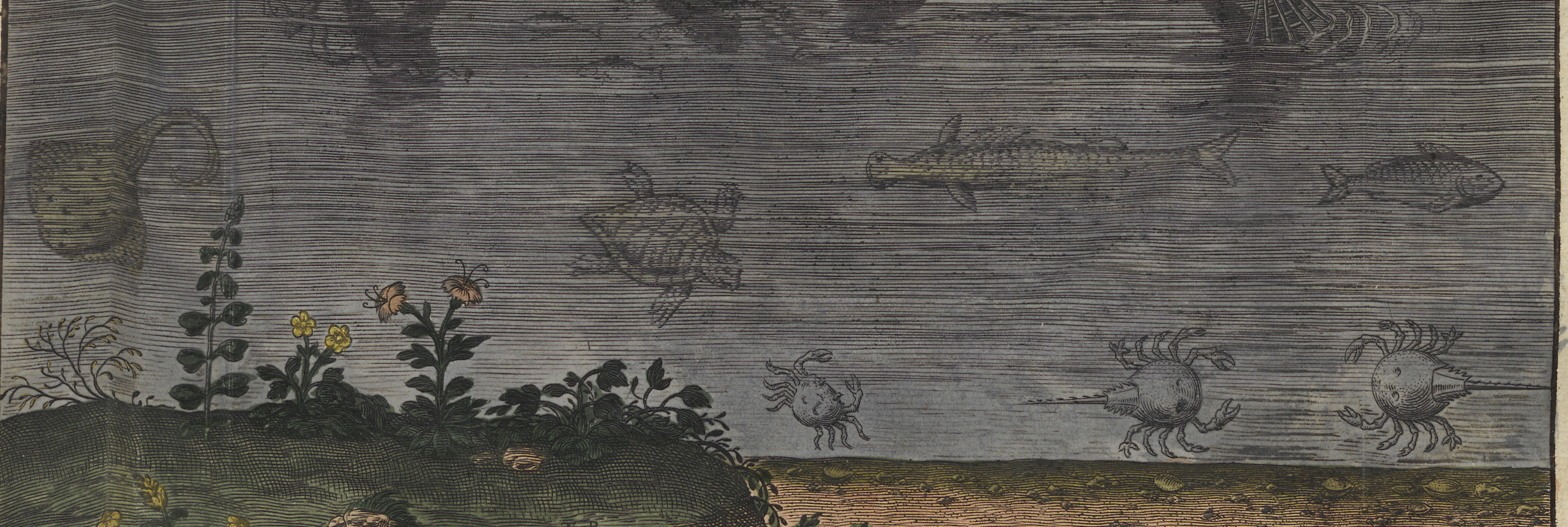
‘Fish & Fiction‘ is an exhibition on the history of fascination with the aquatic life, between 1500-1900, and is currently on show at the University Library of Leiden University (until January 13). The coming weeks Shells and Pebbles is publishing some of the catalogue texts, composed by the historians who contributed to the exhibition, and which…
-
‘Around the world-flung field, for healing for mankind’: Indian Philanthropy and European Leukaemia Research
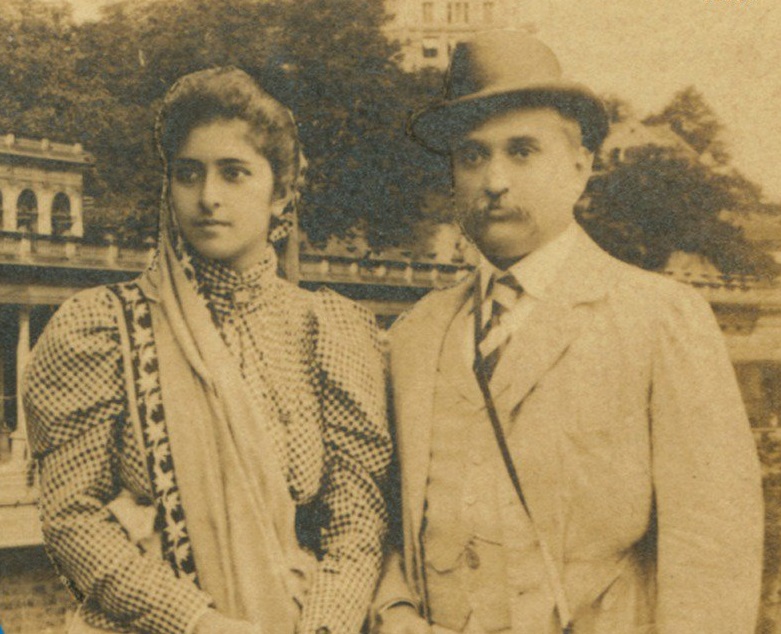
By Shirish N. Kavadi In the early twentieth century leukaemia was a major mystery in medical science. Research into the disease was constrained by lack of or inadequate funding. The Lady Tata Memorial Trust (LTMT) established in 1932 in Bombay was among the earliest philanthropic efforts to provide fellowships and grants to some of the leading…
-
Dr. Schelkly en Sterk Water
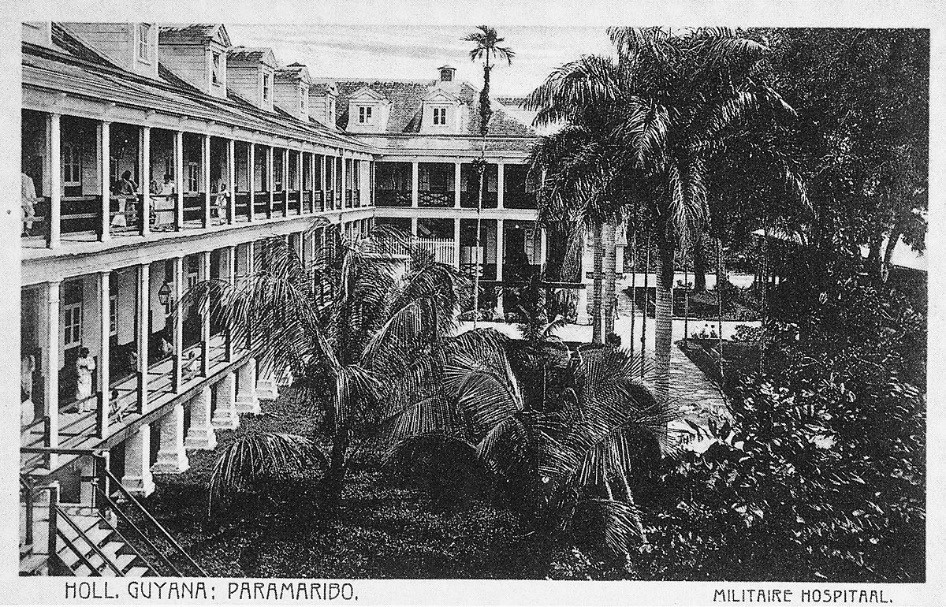
“Zending uit West-Indië, 19 januari 1901.”[1] Een glazen pot met daarin drie baby’s staat onopvallend op een plank in het Anatomisch Museum Bleulandium van het UMC Utrecht. Het handgeschreven etiket verwijst enkel naar de periode en plaats van herkomst. Het gaat vermoedelijk om een voldragen baby en twee foetussen van ongeveer vijf maanden oud. De…
-
Lichamen voor de wetenschap
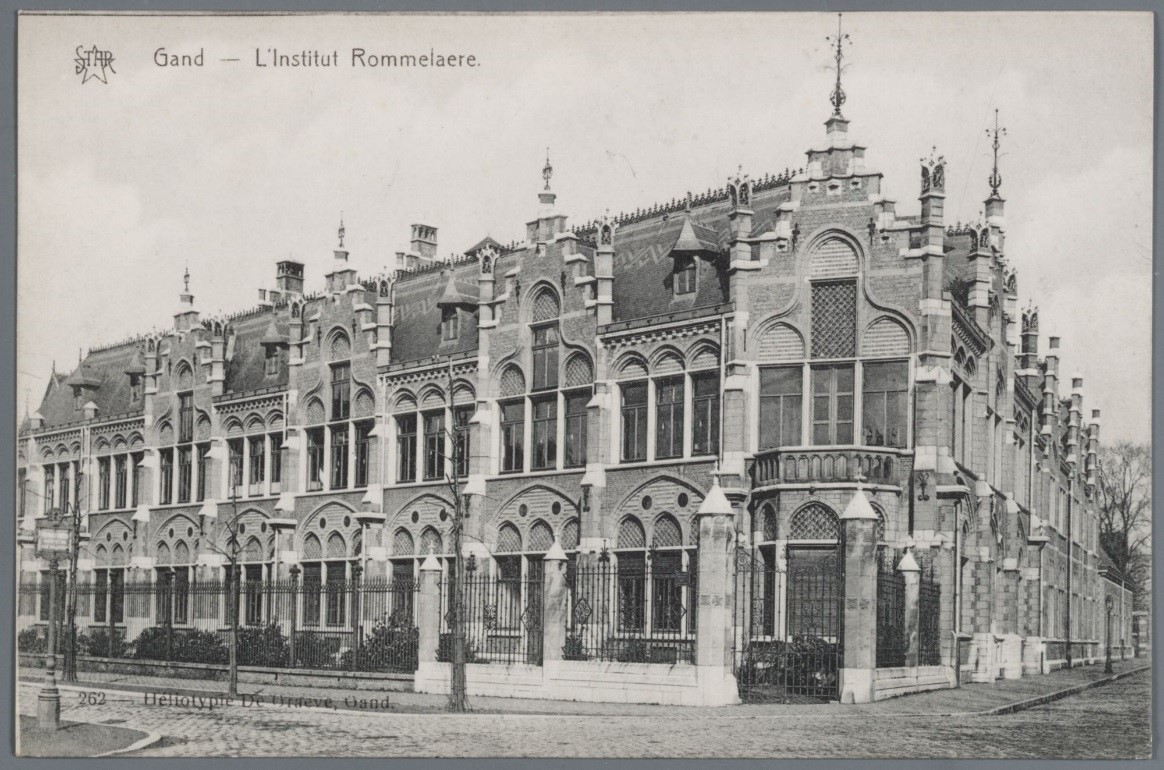
Je lichaam schenken aan de wetenschap was nog nooit zo populair. In de voorbije twintig jaar is het aantal donaties aan Belgische universiteiten verdubbeld. In Nederland is het aanbod aan lichamen zelfs groter dan de vraag: verschillende medische faculteiten laten alleen mondjesmaat nieuwe aanmeldingen toe. In de rij staan voor een dissectie, dat had honderd…